Packing Snacks for the Day: Wrapped Treats vs. Homemade Boxes
The Daily Snack Dilemma
Anyone who has stared into a lunch bag or a backpack mid-afternoon knows the feeling: that hollow spot that needs filling, and fast. The choice often comes down to two approaches. On one side, there are individually wrapped snacks, sealed and ready to grab. On the other, homemade snack boxes, assembled with care from larger packages or bulk buys. Both have their place, but they suit different situations, different schedules, and different ideas about what makes a good snack.
This article looks at the trade-offs between these two options. It focuses on the kind of portable snack that works for a road trip, a desk drawer stash, or a quick bite between meals. The goal is to help you decide which approach fits your day, without pretending one is always better than the other.
Individually Wrapped Snacks: Convenience at a Cost
Individually wrapped snacks are everywhere. They come in small packages, often with a single serving inside. Think of small bags of nuts, cheese sticks, or a classic stroopwafel in its own wrapper. The main advantage is obvious: grab one and go. There is no measuring, no scooping, and no need to carry a larger container. This makes them ideal for moments when you are in a hurry, or when you want to eat something without creating any mess.
Portion control is another strong point. Each package contains a set amount, so it is easy to know exactly what you are eating. This can help with managing between-meal hunger without overdoing it. For people who track their food intake or simply want to avoid mindless snacking from a big bag, these single-serve portions are a useful tool.

However, the convenience comes with trade-offs. The packaging itself generates waste, and many wrappers are not recyclable in standard curbside bins. The cost per serving is also higher than buying in bulk. And while the shelf stability of these snacks is excellent, they can sit in a car or a desk for weeks, the freshness can vary. Some wrapped treats, especially those with a soft or chewy center, may dry out over time if the package is not perfectly sealed.
Homemade Snack Boxes: Customization and Control
Homemade snack boxes are the opposite approach. You buy a larger package of something, or you make it yourself, and then you portion it into reusable containers. This could mean a small box filled with sliced vegetables, a handful of nuts, or a few homemade cookies. For someone who wants a portable stroopwafel experience, it might mean buying a box of loose stroopwafels and putting two or three into a small tin.
The main benefit of this method is control. You decide the portion size, the combination of foods, and the ingredients. If you prefer a lower sugar option, you can choose accordingly. You can also mix and match: a bit of protein, some crunchy vegetables, and a sweet treat all in one box. This variety is harder to achieve with individually wrapped items, which tend to be one thing per package.
Cost is another factor. Buying in bulk and portioning yourself is almost always cheaper per serving. It also reduces packaging waste, especially if you use reusable containers. For the environmentally conscious, this is a meaningful advantage.
But homemade boxes require planning. You need time to prepare them, and you need to have the containers clean and ready. They are less shelf stable than sealed packages; a cut apple will brown, and a soft cookie can get stale if the container is not airtight. For a road trip or a long day out, you need to think about what will hold up without refrigeration.
Where Portability Meets Freshness
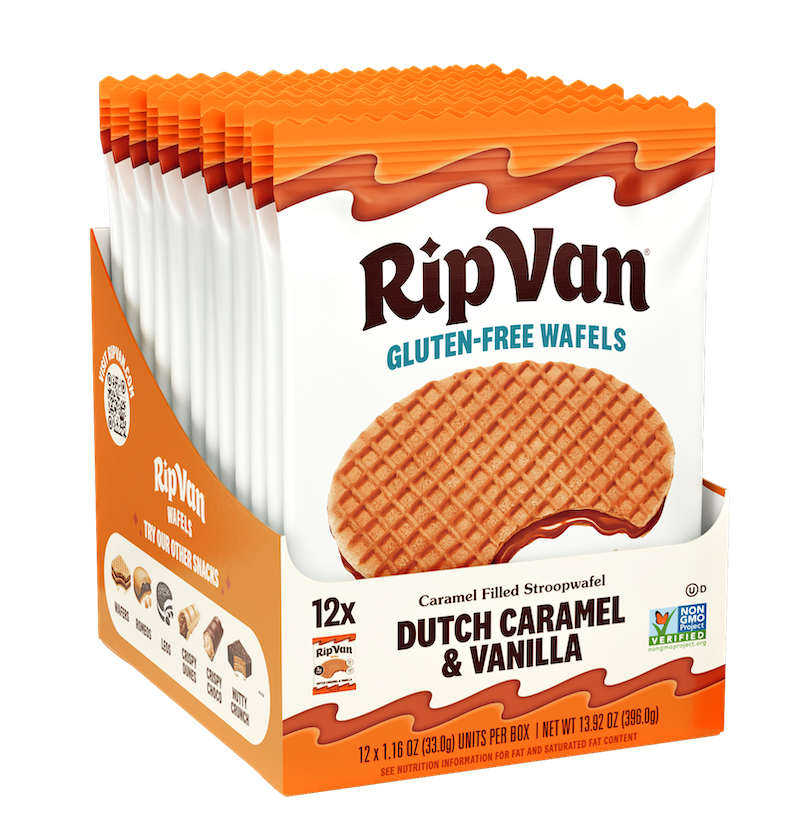
When the snack is a stroopwafel, the question of portability becomes interesting. A fresh stroopwafel is a delight: warm, chewy, with a caramel-like filling. But once it cools and sits, it can become firm. Individually wrapped stroopwafels, like those from a brand such as Rip Van, are designed to stay soft and chewy even after weeks in a bag. The wrapper protects the wafer from air and moisture, preserving its texture. For someone who wants a reliable sweet snack that will not crumble or go stale, this is a real advantage.
A homemade snack box approach, on the other hand, might involve packing a few loose stroopwafels in a small tin. This can work for a single day, but the wafers may lose some of their softness if the tin is not sealed well. The trade-off is that you can pair them with other items, like a small bag of almonds or a piece of fruit, creating a more balanced mini-meal.
Choosing Based on Your Day
The best choice depends on what your day looks like. Here are a few common scenarios:
- Commute or short errands. For a quick trip where you just need a single snack, an individually wrapped item is hard to beat. It fits in a pocket, needs no preparation, and you can eat it on the go.
- Full day out or road trip. For a longer outing, a homemade snack box gives you variety and substance. You can include a stroopwafel as a treat alongside more filling options like cheese or nuts.
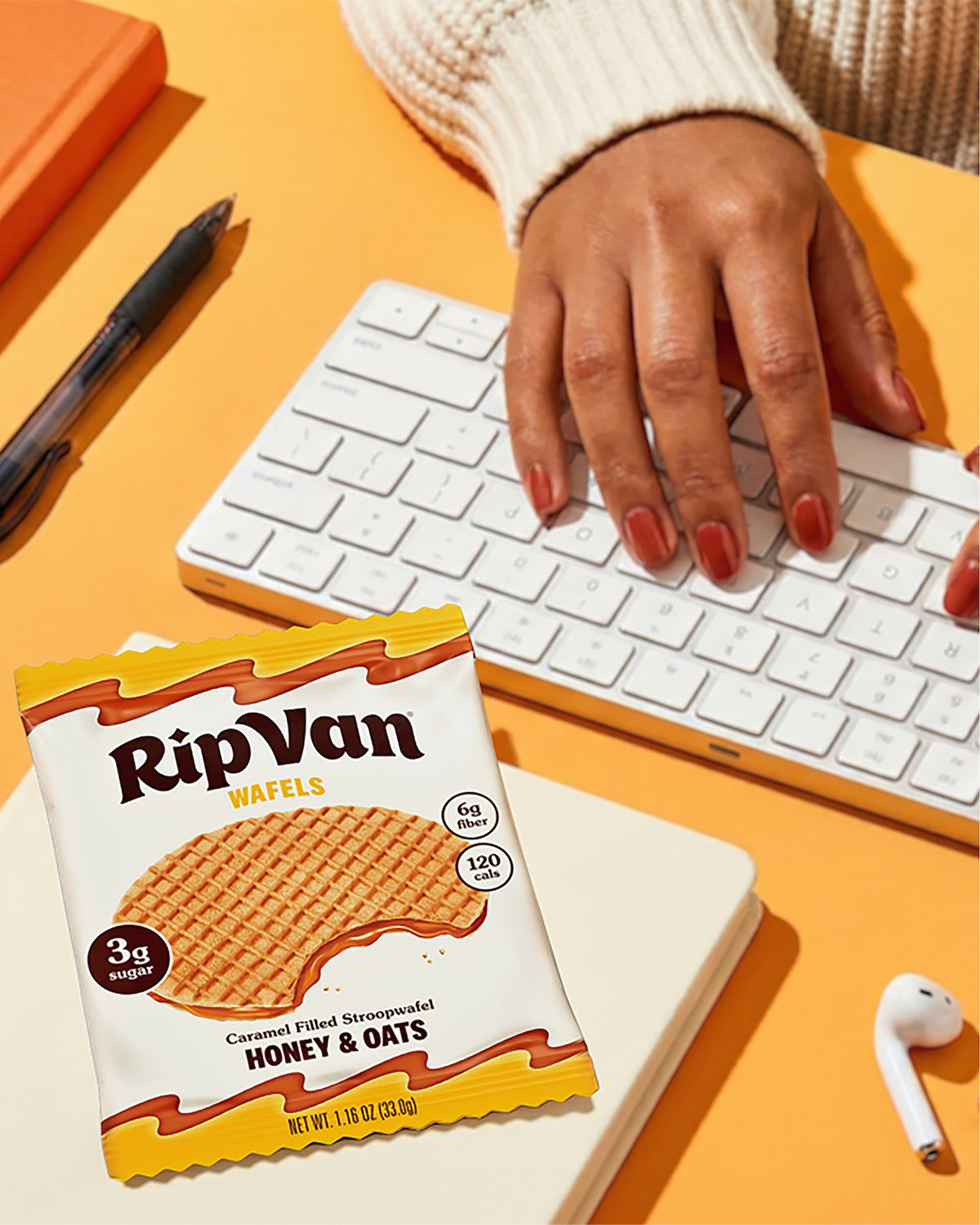
- Office desk drawer. Individually wrapped snacks shine here. They stay fresh for weeks, and you do not need to remember to bring a container. A stash of Rip Van stroopwafels in a drawer means you always have a soft, low-sugar option ready.
- Packing for kids. Homemade boxes let you control sugar and portion sizes, and kids enjoy the variety. But individually wrapped items can be easier for little hands to open.
The Middle Ground: Mix and Match
Many people end up using both approaches. They keep a box of individually wrapped snacks in the car or at work for emergencies, and they prepare a homemade box for days when they want more control. This hybrid strategy covers the bases: you have the convenience of grab-and-go options when you are in a rush, and the customization of a homemade box when you have time to plan.
For a portable stroopwafel specifically, the individually wrapped version is often the better choice for portability and shelf stability. If you are packing a lunch for a hike or a long drive, a few wrapped stroopwafels will stay in perfect condition. If you are at home and want to enjoy a snack with coffee, a loose stroopwafel from a tin works just fine. The key is matching the packaging to the situation.
Final Practical Considerations
Whichever route you take, a few things matter. First, think about temperature. Chocolate-based snacks can melt in a hot car, and some wrappers do not reseal well. Second, consider the mess. Individually wrapped items are usually cleaner to eat, but the wrappers need to go somewhere. Homemade boxes require washing reusable containers. Third, think about variety. A homemade box can hold multiple flavors and textures, while a single wrapped item is just that one thing.
For the person who values a soft, chewy snack that stays fresh without refrigeration, the individually wrapped option is hard to beat. For the person who wants to control ingredients and reduce waste, the homemade box is a better fit. Neither is wrong, and the best choice often changes from day to day.